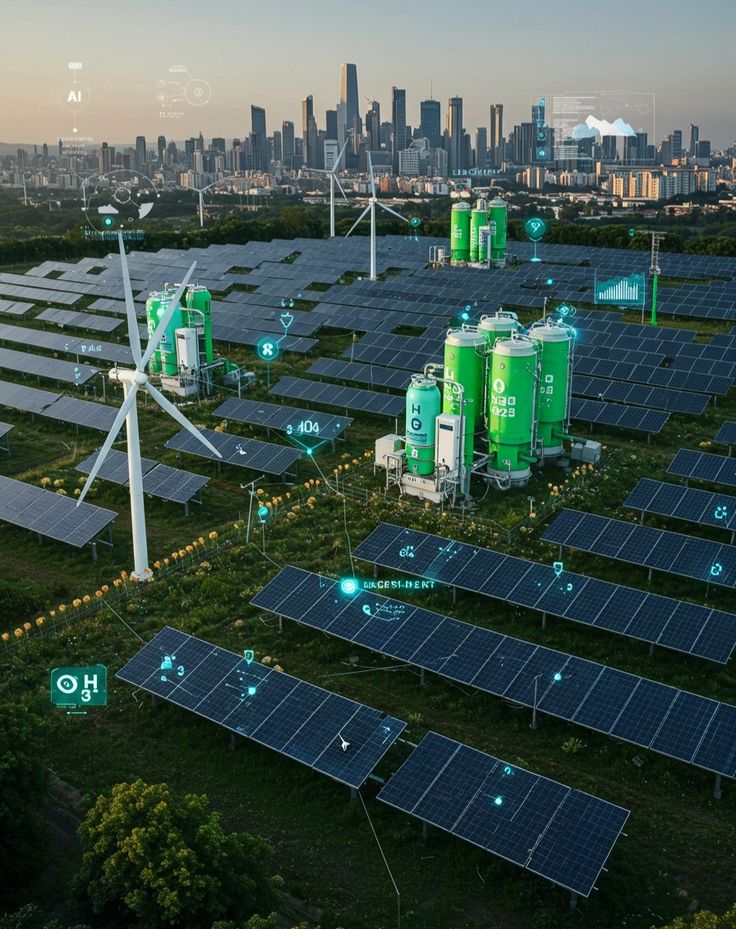
As the global demand for energy continues to rise, humanity stands at a critical crossroads. The environmental consequences of fossil fuels—ranging from climate change to pollution—have forced societies to rethink how they generate and consume energy. In response, renewable energy has emerged as both a necessity and an opportunity.
From solar and wind power to emerging technologies like green hydrogen and nuclear fusion, the renewable energy revolution is transforming the global economy. This new era is not just about clean energy—it’s about reimagining how technology, innovation, and sustainability can work together to power a greener future.
The Shift Toward Clean Energy
For more than a century, industrial growth has depended on fossil fuels such as coal, oil, and natural gas. However, the environmental toll of these energy sources has become undeniable. Greenhouse gas emissions have intensified global warming, leading to rising sea levels, extreme weather, and biodiversity loss.
To combat these challenges, nations are turning toward renewable energy—sources that are naturally replenished and emit little to no carbon. Solar, wind, hydroelectric, geothermal, and biomass energy are now at the heart of global sustainability strategies. According to the International Energy Agency (IEA), renewables are expected to supply more than one-third of global electricity by 2030.
Solar Power: Harnessing the Energy of the Sun
Solar energy is leading the renewable revolution. Thanks to rapid technological advancements and declining costs, solar power has become one of the most accessible and scalable clean energy solutions.
Modern photovoltaic (PV) panels can convert sunlight into electricity with impressive efficiency, and innovations such as perovskite solar cells and bifacial panels are pushing the limits even further. Meanwhile, solar farms and floating solar plants are being deployed across continents, from deserts in the Middle East to reservoirs in Asia.
Beyond large-scale installations, rooftop solar systems are empowering individuals and businesses to produce their own electricity. In the near future, solar integration into everyday products—such as windows, vehicles, and even clothing—could make solar energy a seamless part of daily life.
Wind Energy: Capturing Power from the Air
Wind energy is another pillar of renewable power. Onshore and offshore wind farms use massive turbines to capture kinetic energy from the wind and convert it into electricity.
Modern wind turbines are engineering marvels, reaching heights of over 250 meters and generating enough power to supply entire cities. Offshore wind, in particular, is expanding rapidly due to stronger and more consistent winds over the ocean. Nations like Denmark, the United Kingdom, and China are leading the world in offshore wind capacity.
The next generation of turbines will feature smart sensors, AI-based predictive maintenance, and floating platforms that can operate in deep waters, opening new frontiers for clean energy production.
Green Hydrogen: The Fuel of the Future
One of the most promising frontiers in renewable energy is green hydrogen—hydrogen produced using renewable electricity through water electrolysis. Unlike traditional hydrogen, which is derived from natural gas, green hydrogen is entirely carbon-free.
Hydrogen has the potential to revolutionize sectors that are difficult to electrify, such as heavy industry, shipping, and aviation. It can also serve as a powerful energy storage medium, balancing supply and demand in renewable grids.
Countries like Japan, Germany, and Australia are heavily investing in hydrogen infrastructure, aiming to become global leaders in this emerging market. As costs decrease, green hydrogen could become a key player in achieving net-zero emissions worldwide.
Energy Storage: Solving the Intermittency Challenge
One of the main challenges of renewable energy is intermittency—the fact that solar and wind power are not constant. The solution lies in advanced energy storage systems, which ensure a stable and reliable energy supply even when the sun isn’t shining or the wind isn’t blowing.
Lithium-ion batteries, used widely in electric vehicles, are now being deployed at grid scale to store surplus renewable energy. However, new technologies are emerging—such as solid-state batteries, flow batteries, and compressed air storage—that promise longer lifespans and higher efficiency.
In the future, smart grids powered by AI will optimize when and how energy is stored and distributed, reducing waste and improving reliability across global energy networks.
Geothermal and Ocean Energy: The Untapped Giants
While solar and wind dominate today’s renewable landscape, other clean sources hold immense potential. Geothermal energy, which harnesses heat from the Earth’s core, provides a constant and reliable energy source. Countries like Iceland and Kenya already use geothermal power extensively to meet national energy needs.
Similarly, ocean energy—including tidal and wave power—remains largely untapped but offers enormous possibilities. Engineers are developing new devices that can withstand the harsh marine environment while capturing energy from the natural motion of the sea.
Renewable Energy and the Global Economy
The renewable energy transition is not only an environmental imperative but also an economic one. The shift toward green technologies is generating millions of new jobs in engineering, construction, research, and maintenance. According to the International Renewable Energy Agency (IRENA), the renewable sector could employ over 38 million people globally by 2030.
Moreover, renewable energy strengthens energy independence, reducing reliance on fossil fuel imports and stabilizing national economies. As countries compete to lead the clean energy race, innovation and investment in renewables are becoming central to global economic policy.
Challenges Ahead
Despite its progress, the renewable energy transition still faces major obstacles. These include high initial investment costs, infrastructure limitations, and political resistance from fossil fuel industries. In some regions, renewable deployment is slowed by inadequate grids or lack of storage capacity.
Furthermore, the mining and production of materials for solar panels and batteries must be managed responsibly to avoid new environmental impacts. Sustainable innovation must remain at the heart of the green revolution.
A Vision for a Sustainable Future
The future of renewable energy is about more than replacing fossil fuels—it’s about transforming the way humanity interacts with the planet. With continued research, international cooperation, and investment, the dream of a world powered entirely by clean, sustainable energy is within reach.
From solar panels that capture sunlight in space to hydrogen-powered cities and AI-managed smart grids, the technologies of tomorrow are already taking shape. The choices we make today will determine whether future generations inherit a planet of scarcity—or one powered by sustainable abundance.