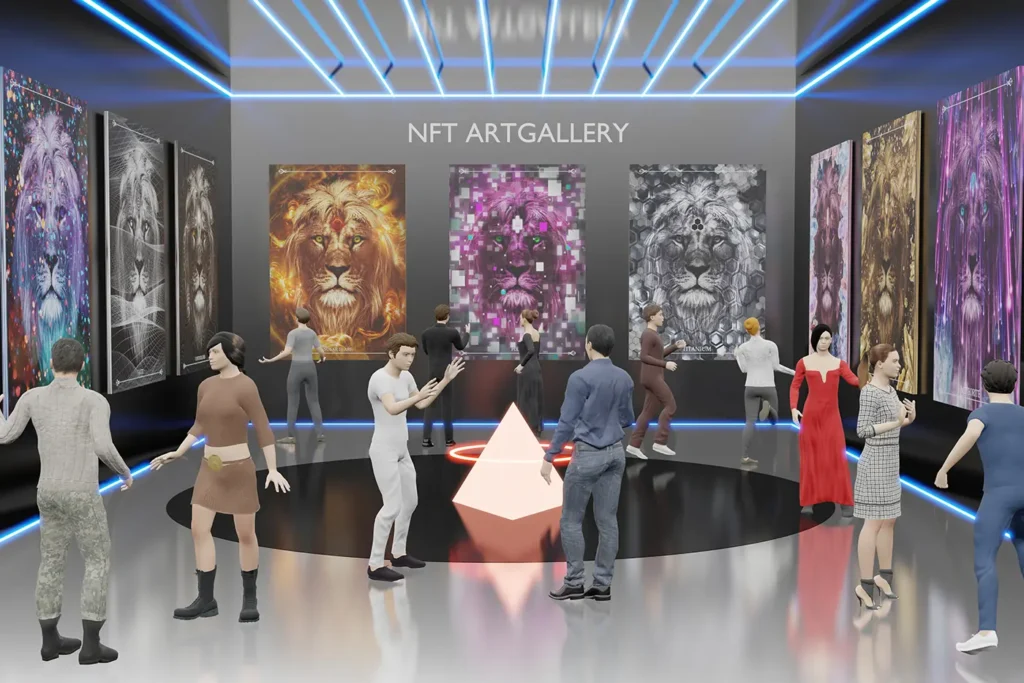
Art has always evolved alongside technology—from the invention of the camera to the rise of digital editing tools. But few innovations have transformed creativity as dramatically as digital art and NFTs. In just a few years, these technologies have redefined how artists create, distribute, and monetize their work, opening the door to a new era of digital ownership, community-driven markets, and global accessibility.
What was once considered a niche or experimental form of expression has now become a cultural and economic phenomenon. Today, digital artists, collectors, and investors are participating in a creative revolution powered by blockchain technology.
The Rise of Digital Art
Digital art refers to any artistic creation that uses digital tools—ranging from illustrations and animations to interactive installations and AI-generated artworks. With the rise of powerful software like Adobe Creative Suite, Blender, and Procreate, digital artists have gained unprecedented creative freedom.
Unlike traditional mediums, digital art allows infinite experimentation. Artists can manipulate color, texture, and form without limitation, pushing boundaries that were once constrained by material costs or physical tools. Moreover, digital art can be easily shared and viewed across platforms, bringing creativity to a global audience within seconds.
However, before the advent of NFTs, digital art faced a major challenge: authenticity and ownership. Because digital files can be copied infinitely, it was nearly impossible for artists to prove the originality or value of their work. That changed with the introduction of blockchain technology.
NFTs: The Revolution of Digital Ownership
NFTs—short for non-fungible tokens—are unique digital certificates stored on a blockchain, verifying the authenticity and ownership of digital assets. Each NFT is one of a kind and cannot be replicated, giving digital creations a new form of scarcity and value.
When an artist “mints” a digital artwork as an NFT, they attach it to a blockchain ledger (like Ethereum or Solana). This process creates a permanent record of ownership and transaction history that anyone can verify. Collectors can then buy, sell, or trade the NFT, while the original artist often earns royalties from every resale—something traditional art markets rarely offer.
This system has fundamentally changed the art economy, empowering creators who once struggled to make a living from their digital work. Now, artists can sell directly to audiences worldwide without galleries or intermediaries.
The Explosion of the NFT Market
The year 2021 marked a turning point in the mainstream recognition of NFTs. Digital artist Beeple sold an NFT artwork titled Everydays: The First 5000 Days at Christie’s auction house for $69 million—a historic moment that captured global attention. Suddenly, digital artists, musicians, and even brands began exploring NFTs as a new way to engage audiences and generate revenue.
Major companies such as Nike, Adidas, and Gucci have since launched NFT collections blending fashion, art, and gaming. Meanwhile, virtual worlds like Decentraland and The Sandbox allow users to buy and display NFT art in immersive digital galleries.
Despite market fluctuations, NFTs have proven that digital art can hold real economic and cultural value. For artists, it’s not just about financial gain—it’s about creative independence, recognition, and community.
The Intersection of Art, Technology, and Community
What makes NFTs revolutionary isn’t only the technology—it’s the community-driven ecosystem surrounding them. Platforms like OpenSea, Rarible, and Foundation have become digital marketplaces where artists and collectors interact directly.
Social media and blockchain networks have created spaces where artists can build personal brands, collaborate globally, and receive instant feedback from audiences. Collectors, in turn, become part of the creative process, supporting artists they believe in. This democratization of the art world breaks away from the exclusivity of traditional galleries, opening the door for creators of all backgrounds.
Environmental Concerns and Sustainable Solutions
While NFTs have opened exciting opportunities, they also face criticism—particularly regarding the environmental impact of blockchain technology. Some blockchains, like Ethereum (before its transition to Proof-of-Stake), required significant energy to validate transactions, leading to concerns about carbon emissions.
In response, the industry is rapidly shifting toward eco-friendly alternatives. The Ethereum 2.0 upgrade reduced energy usage by over 99%, and new blockchain networks such as Polygon, Tezos, and Flow are built with sustainability in mind. Many artists are also pledging to offset emissions or mint NFTs exclusively on green platforms.
Digital Art in the Metaverse
The concept of the metaverse—a shared virtual world combining augmented and virtual reality—has become a natural extension of digital art. In these spaces, art can exist as immersive installations, interactive experiences, or virtual collectibles displayed in 3D galleries.
Artists are already creating works that evolve over time, respond to viewers, or exist across multiple virtual worlds. This fusion of art, gaming, and technology is giving rise to entirely new forms of creativity where the line between creator and audience becomes fluid.
The metaverse also introduces new ways for artists to monetize engagement, such as ticketed exhibitions, virtual merchandise, and NFT-based memberships. These innovations are redefining the business of art for the digital era.
The Future of Digital Art and NFTs
The future of digital art and NFTs looks both promising and transformative. As technology evolves, we can expect to see:
- Integration with AI: Artists collaborating with artificial intelligence to generate unique pieces.
- Enhanced interactivity: NFTs that evolve, unlock hidden features, or change based on user actions.
- Cross-platform ownership: Interoperable NFTs used across games, metaverse spaces, and social media.
- Expanded accessibility: More tools and educational resources allowing emerging artists to enter the NFT ecosystem.
While the initial hype surrounding NFTs may fluctuate, the underlying innovation—verifiable digital ownership—is here to stay. It represents a new creative economy where value is not limited to physical objects but extended to digital experiences.
Conclusion
The evolution of digital art and NFTs is redefining creativity for the 21st century. Artists no longer rely on galleries or physical exhibitions to showcase their talent. Through blockchain technology, they can connect directly with audiences, protect their intellectual property, and earn fair compensation for their work.
Despite challenges like market volatility and environmental concerns, the future remains bright. Digital art is becoming more immersive, accessible, and community-driven than ever before.
As we continue to merge creativity with technology, the question is no longer whether digital art is “real art.” The question is how far these innovations will go in reshaping the very nature of artistic expression, ownership, and human imagination.