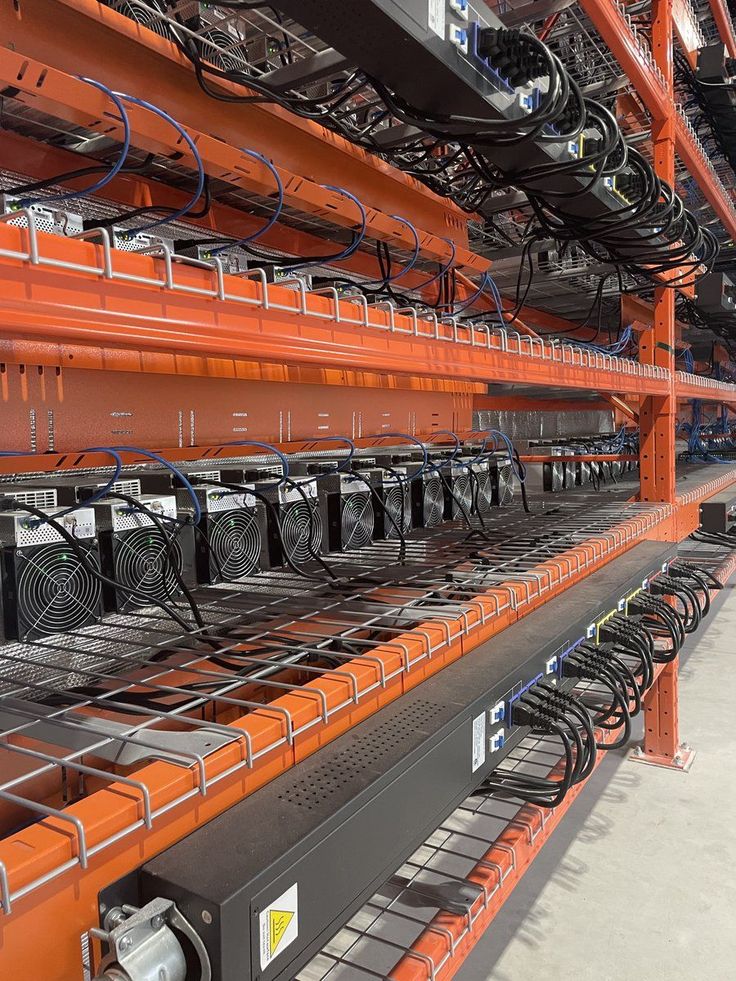
The crypto ecosystem continues evolving rapidly, and in 2026, investors are searching for reliable ways to earn passive income without actively trading. Two of the most common methods remain cryptocurrency mining and staking, both offering rewards for supporting blockchain networks. However, with rising energy costs, increased regulation, and shifting market conditions, many investors wonder: Is mining or staking still profitable in 2026?
This comprehensive guide explains how mining and staking work, evaluates their profitability today, and helps you decide which strategy aligns with your financial goals.
What Is Cryptocurrency Mining?
Cryptocurrency mining is the process of verifying transactions and securing blockchain networks using powerful computers. These machines solve complex mathematical problems, and successful miners receive block rewards in the form of cryptocurrency.
Requirements for Mining
- ASIC or GPU mining hardware
- Low electricity costs
- Cooling and ventilation
- Stable internet connection
- Mining software and participation in a mining pool
Popular Mineable Coins in 2026
- Bitcoin (BTC) — mined exclusively with ASICs
- Kaspa (KAS) — known for efficiency
- Monero (XMR) — CPU-friendly
- Dogecoin (DOGE) — merge-mined with Litecoin
What Is Cryptocurrency Staking?
Staking allows investors to earn rewards by locking up their crypto assets in a Proof-of-Stake (PoS) network. Instead of solving mathematical problems, validators are chosen based on the amount of cryptocurrency they stake.
Top Coins for Staking in 2026
- Ethereum (ETH)
- Solana (SOL)
- Cardano (ADA)
- Avalanche (AVAX)
- Polkadot (DOT)
- Cosmos (ATOM)
Key Advantages of Staking
- No specialized hardware required
- Very low energy consumption
- Easy to start on most exchanges
- Stable, predictable rewards
Is Mining Still Profitable in 2026?
Mining profitability has evolved significantly over the past few years. Several critical factors influence earnings in 2026.
1. Bitcoin’s 2024 Halving Reduced Profit Margins
Following the 2024 Bitcoin halving, block rewards dropped, which:
- reduced miner earnings,
- increased competition,
- pushed small and home miners out of the market.
Only miners with the lowest energy costs and advanced ASICs remain profitable.
2. Rising Electricity Costs Worldwide
Electricity is one of the biggest expenses for miners. As energy prices increased in many regions, mining at home became less viable. Modern ASICs consume large amounts of power, and cooling systems further increase costs.
Mining in 2026 is typically only profitable when:
- electricity costs are extremely low,
- hardware is efficient and up to date,
- miners join competitive pools.
3. Stricter Mining Regulations
Between 2025 and 2026, multiple countries implemented regulations targeting:
- excessive energy consumption,
- environmental concerns,
- tax reporting requirements.
While mining is still legal in many regions, compliance adds complexity and cost.
4. Rapid Hardware Obsolescence
Mining hardware evolves quickly. New ASICs can outperform older machines by large margins, meaning:
- older devices lose profitability fast,
- upgrading frequently is necessary,
- initial investment costs remain high.
Mining Profitability Summary (2026)
Mining can still be profitable, but only under specific conditions. Most beginners will find staking to be a far better entry point into crypto passive income.
Is Staking a Better Option in 2026?
Yes—staking has become one of the most accessible ways to earn passive crypto rewards. As Proof-of-Stake networks grow, staking yields remain stable and require almost no technical knowledge.
Advantages of Staking in 2026
1. Low Barrier to Entry
Most exchanges allow staking with as little as $10.
2. Stable Annual Yields
Typical 2026 staking returns:
- ETH: 3%–5%
- ADA: 3%–6%
- DOT: 7%–12%
- ATOM: 12%–18%
3. No Technical Expertise Needed
You can stake directly from:
- Binance
- Coinbase
- Kraken
- Ledger devices
- Lido and similar services
4. Perfect for Long-Term Investors
If you plan to hold crypto for years, staking enhances portfolio growth.
Disadvantages of Staking
1. Lock-Up Periods
Some networks require locking tokens for weeks or months.
2. Slashing Risks
Validators may lose a portion of staked tokens if they malfunction.
This risk is minimized by using reputable staking providers.
3. Token Price Fluctuation
Even if you earn 10% APR, your total value may drop if the token price falls.
This is similar to dividend stocks: income is stable, but the asset price moves.
Mining vs Staking: Which Is Better in 2026?
| Feature | Mining | Staking |
|---|---|---|
| Initial Investment | High | Low |
| Energy Costs | Very High | Minimal |
| Technical Knowledge | Required | Not required |
| Regulatory Pressure | High | Moderate |
| Profitability Stability | Low | Higher |
| Accessibility | Low | Very High |
Winner for Most Investors: Staking
Mining remains viable mostly for professionals, while staking is suitable for nearly all retail investors.
Is It Worth It in 2026? Final Verdict
Mining
Profitable only with cheap electricity and advanced equipment
High risk, high cost, high complexity
Staking
Excellent for passive income
Low fees and easy to start
Works well for long-term strategies
For 95% of investors, staking is the more practical and profitable option in 2026.
Tips for Choosing the Right Strategy
- If you enjoy hardware and have cheap energy → Mining
- If you want passive income with low effort → Staking
- If you want diversification → Do both at small levels
- If you want stability → Stake major coins like ETH or ADA
Frequently Asked Questions (FAQ)
1. Is mining still worth it in 2026?
Only in areas with extremely low electricity costs.
2. Is staking risky?
It carries some risk—mainly token price volatility—but is less risky than mining.
3. How much can you earn with staking?
Between 3% and 18% annually, depending on the token.
4. Can staking be done on a hardware wallet?
Yes, Ledger and Trezor support staking for many assets.
5. Which is better for beginners?
Staking is more accessible, cheaper, and easier.