Financial security often begins with one simple habit: building an emergency fund. While investing is important, nothing protects your long-term plans like having cash set aside for unexpected events. An emergency fund acts as your financial safety net, preventing you from relying on credit cards, loans, or high-interest debt when life takes an unexpected turn.
This guide breaks down why an emergency fund is essential, how much you need, and how to build one—even if you’re starting from zero.
What Is an Emergency Fund?
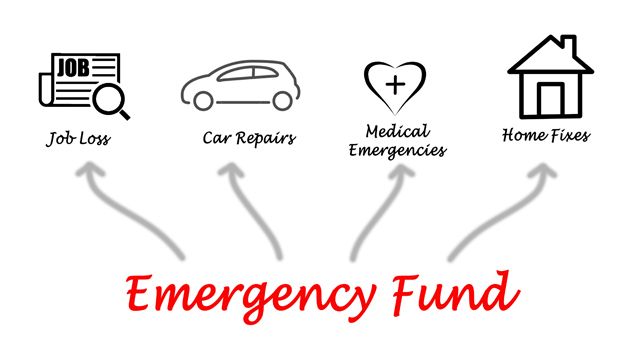
An emergency fund is a dedicated pool of money reserved exclusively for unplanned expenses. These costs may include medical emergencies, sudden job loss, car repairs, home damage, or urgent travel. Because emergencies are unpredictable, having money ready ensures you can respond quickly without derailing your financial stability.
Unlike investments, an emergency fund stays liquid and immediately accessible. This allows you to handle surprises without worrying about market volatility, withdrawal penalties, or delays.
Why an Emergency Fund Is Essential
1. Protects You From Debt
Unexpected expenses often lead people to rely on debt. With an emergency fund, you can pay for surprises in cash and avoid accumulating interest on credit cards or loans. This reduces financial stress and helps maintain a healthy credit score.
2. Provides Peace of Mind
Knowing you have money available for emergencies reduces anxiety. Stress declines when you’re prepared, making it easier to focus on long-term financial goals—
whether that’s investing, saving, or growing a business.
3. Shields Investments From Early Withdrawals
Without an emergency fund, many investors are tempted to sell assets during a crisis. That often results in losses or taxes. A safety fund protects your investments by giving you cash to rely on instead.
4. Helps You Handle Job Loss
Job loss is one of the most common and devastating financial emergencies. Having three to six months of living expenses saved can give you breathing room to find a new job without rushing into the first offer available.
5. Reduces the Impact of Inflation and Rising Costs
Inflation increases everyday expenses. With an emergency fund, you can absorb those unexpected price jumps without damaging your budget.
How Much Should You Save?
The amount you need depends on your personal situation. However, most financial experts recommend:
- 3 months of expenses: For people with stable employment
- 6 months: For freelancers, contractors, and self-employed individuals
- 9–12 months: For households with unpredictable income or dependents
To calculate your target amount, sum essential monthly expenses—housing, food, insurance, utilities, transportation—and multiply by your chosen safety level.
Where to Keep Your Emergency Fund
The right storage place must be safe, liquid, and easy to access. Good options include:
High-Yield Savings Accounts
They offer higher interest than regular savings accounts while maintaining instant access.
Money Market Accounts
These accounts combine checking and savings features and may provide competitive interest rates.
Short-Term Certificates of Deposit (CDs)
CDs can be useful if you want discipline, but only choose short-term durations to ensure liquidity.
Avoid risky investments like stocks, crypto, or long-term bonds for your emergency fund. Their value can fluctuate, which defeats the purpose of safety.
How to Build an Emergency Fund from Scratch
1. Start Small
Even $10 or $20 a week is enough to create momentum. Small contributions add up quickly and build the habit of saving.
2. Set Up Automatic Transfers
Automation ensures that part of your income regularly goes to your emergency account. This eliminates the need for willpower and keeps your savings growing.
3. Reduce Non-Essential Spending
Cutting small expenses—unused subscriptions, impulse purchases, frequent takeout—can free up money to support your fund.
4. Use Windfalls Wisely
Tax refunds, bonuses, or unexpected income can accelerate your progress. Consider allocating a portion directly to your emergency savings.
5. Track Your Progress
Monitoring growth keeps you motivated and helps you stay consistent.
When Should You Use Your Emergency Fund?
Use the fund only for true emergencies, including:
- Medical bills
- Job loss
- Essential home repairs
- Car breakdowns
- Unexpected travel for family emergencies
Do not use it for vacations, shopping, entertainment, or any planned costs.
If you withdraw money for a genuine emergency, your next step should be rebuilding the fund as soon as possible.
How an Emergency Fund Helps You Invest Better
A strong emergency fund improves your investing strategy in several ways:
- It lets you take long-term risks without fear.
- It prevents panic selling during market downturns.
- It increases your confidence when investing in higher-growth assets.
With financial stability in place, you’re more prepared to pursue wealth-building opportunities.
FAQ: Emergency Funds
1. How fast should I build my emergency fund?
There’s no perfect speed. Focus on consistent progress rather than rushing.
2. Can I invest my emergency fund to earn more?
No. The primary purpose is safety and liquidity. Stick to secure accounts.
3. Should I save or pay off debt first?
Ideally, build a small starter fund ($500–$1,000), then pay down high-interest debt while continuing to grow your savings.
4. Is a credit card an emergency fund?
No. Credit is a tool, not a safety net. It creates debt instead of preventing it.
5. What if I live paycheck to paycheck?
Start with tiny contributions. Even 1% of each paycheck is progress.