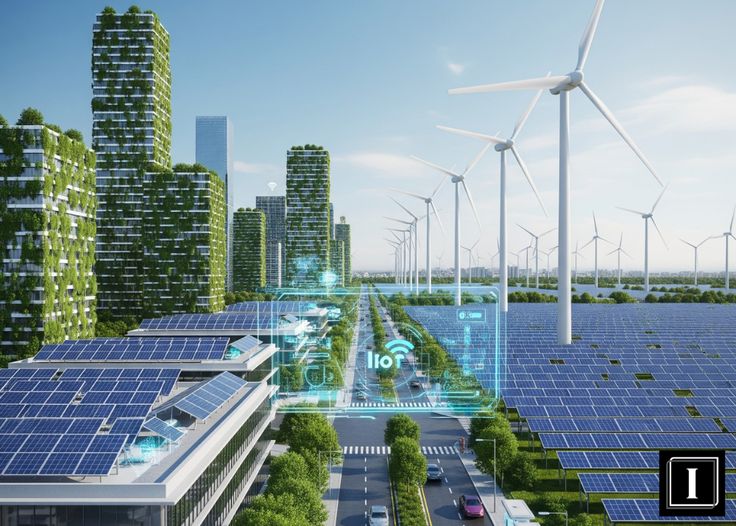
In recent years, the urgency to address climate change and reduce carbon emissions has driven an unprecedented transformation in the way we produce and consume energy. Green technology innovations—also known as cleantech—are at the forefront of this movement, providing practical solutions that not only minimize environmental impact but also reshape entire industries and economies. From renewable energy and smart grids to electric mobility and AI-driven efficiency, green technology is creating a path toward a cleaner, more sustainable planet.
Innovations in Renewable Energy
At the core of green technology are advancements in renewable energy. Solar panels, once considered expensive and niche, are now affordable and widely implemented in homes and businesses across the globe. Their efficiency has improved dramatically, enabling solar energy to compete with traditional fossil fuels.
Wind energy has also experienced major growth. Modern wind turbines are larger and more efficient, capable of producing electricity even in moderate wind conditions. Offshore wind farms, in particular, have unlocked new possibilities for large-scale energy generation without taking up valuable land space.
In addition, hydroelectric and geothermal projects provide local, sustainable energy solutions. Small-scale hydroelectric plants offer electricity to communities near rivers, while geothermal energy harnesses heat from beneath the Earth’s surface, providing a constant, reliable power source. Together, these technologies reduce dependency on fossil fuels and help nations transition toward cleaner energy grids.
Smart Grids and Energy Efficiency
Generating clean energy is only part of the solution. Managing consumption intelligently is equally critical. Smart grids use sensors, real-time data, and artificial intelligence to optimize energy distribution, minimize losses, and balance demand.
On a smaller scale, smart home devices and industrial energy management systems help households and businesses reduce energy consumption without compromising comfort or productivity. From intelligent thermostats to automated lighting systems, these innovations allow for more responsible energy usage, cutting both costs and carbon footprints.
Sustainable Mobility and Electric Transportation
Transportation is one of the largest contributors to global greenhouse gas emissions. Green technology innovations in mobility are changing the way we move. Electric vehicles (EVs) have become increasingly popular, with automakers investing heavily in battery technology and charging infrastructure. EVs offer a sustainable alternative to gasoline-powered vehicles, reducing urban air pollution and lowering carbon emissions.
Beyond cars, cities are embracing electric buses, shared e-scooters, and bicycles to encourage clean commuting. Public transportation systems are transitioning to electric and hybrid fleets, creating a significant positive impact on urban air quality. These developments demonstrate how green technology innovations are not only cleaner but also increasingly accessible to the public.
Artificial Intelligence and the Internet of Things (IoT)
Artificial Intelligence (AI) and the Internet of Things (IoT) are critical enablers of environmental efficiency. Smart sensors can monitor energy consumption in real time, optimize heating and cooling systems in large buildings, and even predict maintenance needs to prevent energy waste.
In industry, AI helps optimize supply chains, reducing unnecessary production and transportation. Smart cities use IoT-connected devices to manage traffic, control street lighting, and regulate water usage, demonstrating how technology can help reduce environmental impact while improving quality of life.
Economic and Social Impact of Green Technology
Green technology innovations are not only about environmental benefits—they also create economic and social opportunities. The global cleantech sector has become a major source of employment, with startups and established companies investing in sustainable solutions that generate new jobs and industries.
Consumers are also becoming more environmentally conscious, favoring companies that adopt sustainable practices. This shift is pushing businesses to innovate, creating a market where sustainability and profitability go hand in hand. Governments worldwide are supporting this trend through subsidies, tax incentives, and green policies, further accelerating the adoption of green technologies.
Challenges and the Path Forward
Despite significant progress, the adoption of green technology faces challenges. High initial costs, technological limitations, and the need for infrastructure upgrades can slow implementation. Additionally, some renewable solutions, such as certain battery technologies, carry environmental concerns that must be addressed responsibly.
However, ongoing research and innovation continue to overcome these obstacles. International collaboration, investment in R&D, and public awareness campaigns are critical to ensuring that green technology innovations reach their full potential.
Conclusion
The rise of green technology represents more than a necessary response to climate change—it is an opportunity for innovation, economic growth, and a sustainable future. By adopting renewable energy, smart grids, electric mobility, and AI-powered efficiency, we are creating a world where environmental responsibility and technological advancement go hand in hand.
Green technology innovations are transforming industries, empowering communities, and giving us the tools to build a cleaner planet. The choices we make today will define the environmental legacy we leave for future generations. Investing in green technology is not just an investment in innovation—it is an investment in a sustainable future for all.