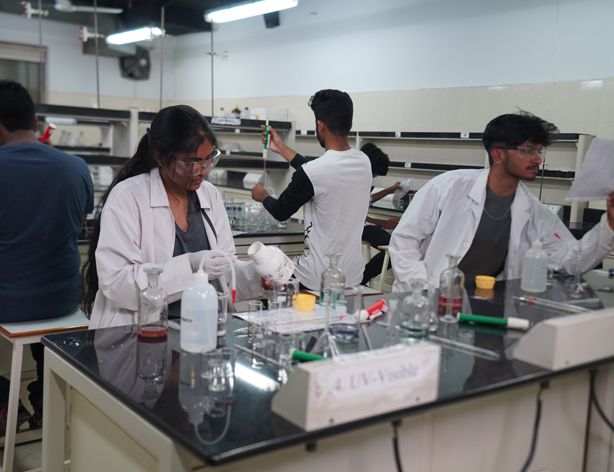
In the 21st century, biotechnology stands as one of humanity’s most powerful tools for innovation and progress. By combining biology, genetics, and technology, this field has revolutionized medicine, agriculture, and even environmental sustainability. From gene editing to synthetic biology, biotechnology is unlocking possibilities that were once thought to belong only to science fiction.
As researchers continue to decode the language of life itself, biotechnology is not just shaping the future of healthcare—it is redefining what it means to be human.
What Is Biotechnology?
Essentially, biotechnology applies biological science and technological innovation to create products and processes that benefit living organisms. Although humans have used biological principles for centuries (for instance, fermentation in bread and cheese making), modern biotechnology began in the 1970s with the discovery of recombinant DNA.
Since then, the field has expanded dramatically. Today, biotechnology includes genomics, molecular biology, nanotechnology, and bioengineering. As a result, it has become one of the most dynamic and rapidly advancing areas of science.
Biotechnology in Medicine: Healing at the Molecular Level
Over the last few decades, biotechnology has revolutionized healthcare. It has introduced precision, personalization, and even the possibility of curing genetic diseases that were once untreatable.
1. Gene Editing and CRISPR
Perhaps the most remarkable breakthrough is CRISPR-Cas9, a tool that enables scientists to edit DNA sequences with extraordinary accuracy. Consequently, conditions such as cystic fibrosis, muscular dystrophy, or even certain cancers may soon become curable. However, these developments also raise complex ethical questions regarding the modification of human genes and potential misuse of such technologies.
2. Personalized Medicine
Unlike traditional medicine, which treats patients uniformly, personalized medicine tailors treatments to an individual’s genetic makeup. With the help of genomic data, doctors can now predict how a patient will respond to specific drugs and create therapies that are more effective and less invasive.
3. Regenerative Medicine and Stem Cells
Moreover, stem cell research has opened the door to regenerative medicine. Scientists can now grow tissues and organs in laboratories, potentially eliminating the need for donor transplants. This innovation may soon revolutionize treatments for heart disease, spinal injuries, and neurodegenerative disorders.
4. Vaccine Development
The COVID-19 pandemic demonstrated the power of biotechnology like never before. Using mRNA technology, researchers developed vaccines in record time — proving that biotech can respond rapidly to global health threats.
Agricultural Biotechnology: Feeding a Growing Planet
As the global population approaches 10 billion, the demand for sustainable food production continues to rise. Agricultural biotechnology offers solutions that enhance productivity while reducing environmental harm.
For example, genetically modified organisms (GMOs) allow crops to resist pests, drought, and disease. In addition, precision farming — which integrates IoT sensors, drones, and data analytics — enables farmers to monitor soil health and optimize water use.
Furthermore, the use of biofertilizers and biopesticides helps reduce chemical pollution, making agriculture more eco-friendly. These innovations ensure food security while preserving biodiversity and natural resources.
Environmental Biotechnology: Healing the Earth
Beyond healthcare and food production, biotechnology plays a key role in protecting the planet. Through environmental biotechnology, scientists use living organisms to clean up pollution, recycle waste, and reduce carbon emissions.
For instance, microbes can break down oil spills and toxic chemicals, a process known as bioremediation. Additionally, algae are being engineered to produce biofuels, offering a renewable alternative to fossil energy.
In the long term, such technologies could help establish a circular economy, where waste becomes a valuable resource rather than an environmental burden.
Synthetic Biology: Designing Life Itself
One of the boldest frontiers in biotechnology is synthetic biology, which focuses on designing and building new biological systems from scratch. Researchers are creating artificial cells capable of producing medicine, generating clean energy, or detecting pathogens.
Even more fascinating, synthetic biology is being applied in material science — enabling the development of self-healing concrete, biodegradable plastics, and fabrics that adapt to temperature.
Nevertheless, this revolutionary field also demands caution. As humans begin to design new life forms, ethical discussions about safety, control, and ecological balance become increasingly important.
Ethical and Social Implications
Despite its potential, biotechnology brings profound ethical and social questions. Who controls genetic information? Should humanity alter its own DNA? How can society prevent misuse of powerful biological tools?
Therefore, transparency, regulation, and education are critical. Governments and research institutions must establish strong frameworks to protect privacy, ensure equality, and maintain public trust.
The Future of Biotechnology
Looking ahead, the integration of artificial intelligence, nanotechnology, and biotechnology will accelerate discoveries like never before. AI-driven analytics can already identify drug candidates, predict disease risks, and simulate genetic behavior in real time.
Soon, we may witness breakthroughs such as lab-grown organs for transplantation, carbon-negative bio-industries, and biologically integrated devices that merge with the human body.
Ultimately, biotechnology is leading us toward a new era — one where science and life are inseparable. Yet, with great power comes great responsibility; progress must always serve humanity and the planet.
Conclusion
Biotechnology represents both the promise and the challenge of our age. It offers hope for curing diseases, feeding the world, and repairing the environment. At the same time, it demands wisdom, ethics, and global cooperation.
If guided responsibly, biotechnology could define the next great chapter of human evolution — one that harmonizes innovation with the preservation of life itself.